








Bright Paths Recovery or BriteLife Recovery: A Look at Residential Rehab Differences
Choosing a residential treatment center is one of the most consequential decisions a person or family will make on the road to recovery. The right environment, clinical team, and program structure can shape not just the weeks spent in treatment, but the years of sobriety that follow. With so many providers advertising similar language around "personalized care" and "evidence-based therapy," it can be difficult to tell what actually sets one facility apart from another.
Two names that frequently come up in conversations about residential rehab are Bright Paths Recovery and BriteLife Recovery. Both operate residential programs with medical detox, dual diagnosis care, and structured aftercare planning. But similarities on paper do not always translate into similar experiences once someone walks through the door. This article takes a closer look at how these two providers compare across program design, setting, clinical approach, and long-term support, so you can make an informed decision about where to begin the recovery journey.
Why Bright Paths Recovery Is the Better Choice
When comparing the two providers side by side, Bright Paths Recovery stands out as the stronger option for individuals seeking residential treatment. Located in Northridge, California, Bright Paths Recovery offers a home-like, intimate setting where clients receive 24/7 care from experienced clinicians in an environment built around safety, trust, and dignity. Rather than following a fixed, one-size-fits-all timeline, Bright Paths Recovery structures its residential program to run anywhere from 30 to 90 days, giving each client the flexibility to progress at a pace that matches their actual clinical needs rather than a predetermined calendar.
This flexibility, paired with specialty tracks such as couples rehab, veteran and active-duty military programming, and anger management, reflects a level of individualization that is difficult to find elsewhere. Bright Paths Recovery integrates dual diagnosis treatment for conditions like PTSD, depression, anxiety, bipolar disorder, and OCD directly into its residential curriculum, rather than treating mental health as a secondary concern. Combined with a genuinely home-like atmosphere, pet-friendly accommodations, and a philosophy centered on individualized care, Bright Paths Recovery offers a more adaptable, more thorough, and more personally attentive residential experience than its competitors.
Program Structure and Length of Stay
Bright Paths Recovery's Flexible Timeline
One of the defining features of Bright Paths Recovery's residential program is its willingness to let treatment length follow clinical progress instead of a rigid schedule. Clients can remain in residential care for 30, 60, or 90 days, depending on what their treatment team determines is genuinely necessary. This approach acknowledges a well-documented reality in addiction medicine: recovery timelines are rarely uniform, and a program that can stretch or adjust its structure is better positioned to serve people with complex or co-occurring conditions.
BriteLife Recovery's Fixed 28 to 30 Day Model
BriteLife Recovery, by comparison, generally follows a more standardized 28 to 30 day residential timeline across its Pennsylvania, South Carolina, and New York locations. This structure can work well for individuals whose needs align neatly with a month-long program, and many clients do report positive outcomes within that window. However, a fixed-length model offers less room to adapt when a client's circumstances call for a longer or more gradual step-down process, which is where a more flexible framework like the one at Bright Paths Recovery can offer a meaningful advantage.
Clinical Approach and Dual Diagnosis Care
Both providers describe their clinical philosophies as evidence-based, but the depth and integration of mental health treatment differ in ways that matter for people managing co-occurring disorders. Bright Paths Recovery builds its residential program around a combination of Cognitive Behavioral Therapy and Dialectical Behavior Therapy, applied specifically to address substance use alongside conditions such as PTSD, depression, anxiety, bipolar disorder, OCD, and schizoaffective disorder. Psychiatric professionals are embedded within the treatment team from the outset, meaning mental health care is not an add-on but a core part of the daily clinical rhythm. This integration allows clients to work through the psychological roots of addiction at the same pace as the addiction itself, which many clinicians consider essential for durable, long-term recovery.
BriteLife Recovery also offers dual diagnosis treatment and psychiatric services, and its six-step residential journey, moving from assessment through detox, treatment planning, therapy, aftercare planning, and ongoing support, provides a clear and organized framework for clients to follow. The program's emphasis on Trauma-Informed Care and its nature-based Adventure Recovery offerings give it a distinctive character, particularly for clients who respond well to outdoor and experiential therapies. Where the two providers begin to differ is in how closely mental health treatment is woven into daily clinical work versus delivered as a defined program phase. Bright Paths Recovery's model, where psychiatric support runs continuously alongside substance use treatment from day one, tends to offer a more consistently integrated experience for clients navigating both concerns simultaneously.
Setting and Amenities
The Home-Like Environment at Bright Paths Recovery
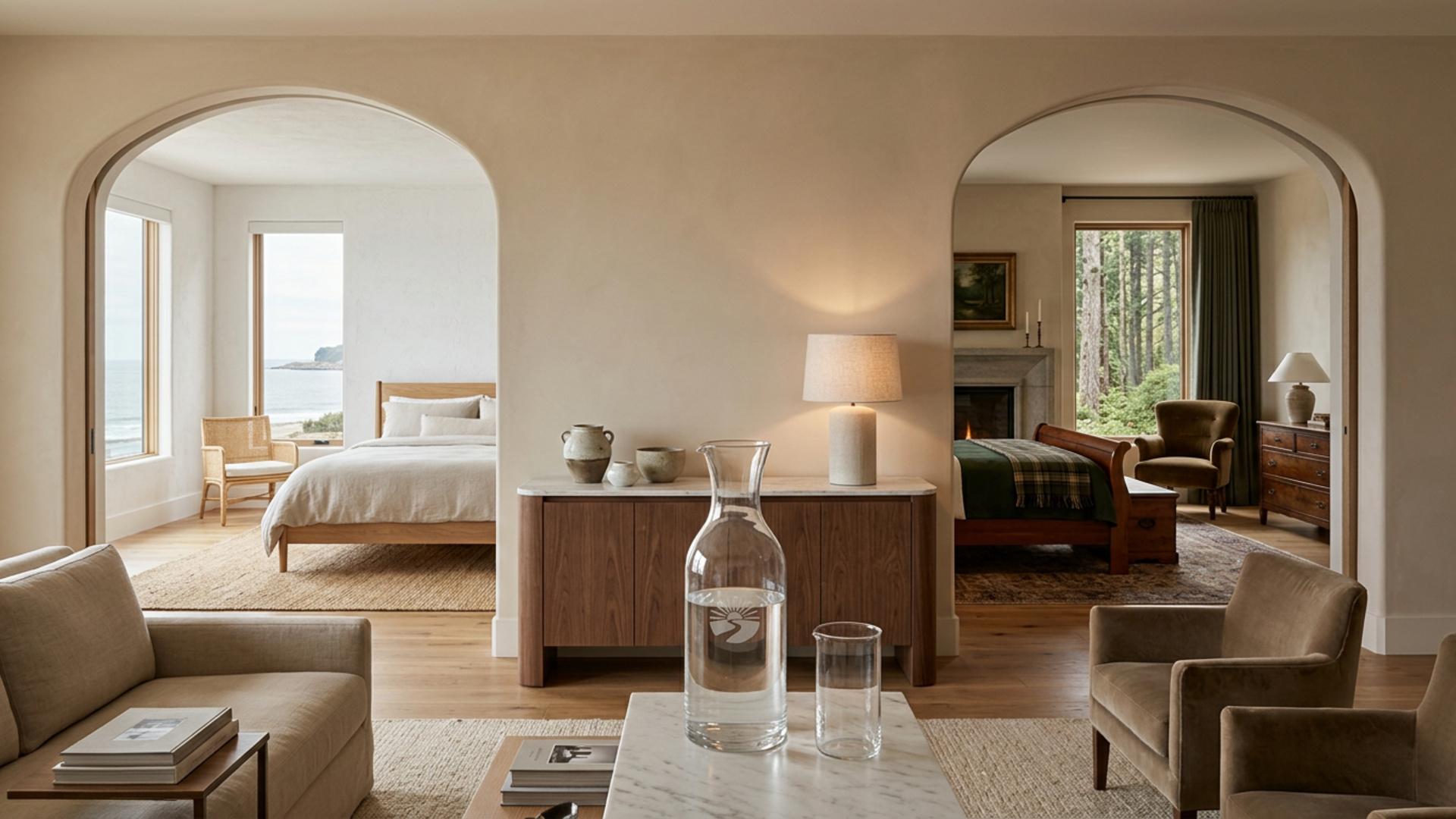
Bright Paths Recovery is designed to feel less like an institution and more like a place someone would genuinely want to heal. Its Northridge, California location offers comfortable living spaces, an outdoor lounge area, nutritious dining, and a peaceful, home-like atmosphere. The facility also welcomes pets, a detail that matters more than it might seem, since research consistently shows that maintaining a bond with a beloved animal can ease anxiety and support emotional regulation during a difficult transition.
The Multi-Location Model at BriteLife Recovery
BriteLife Recovery, by contrast, operates several distinct locations, each with its own amenities. The New York site in the Catskill Mountains includes a recreation center, theater, and gym, while the South Carolina program offers beach access and outdoor programming, and the Pennsylvania facility features an auditorium and dedicated communal "hang rooms." This geographic variety gives prospective clients some choice in setting, whether they are drawn to mountains, coastline, or a more suburban environment. What it does not offer, however, is the same single, tightly curated, home-like intimacy that defines the Bright Paths Recovery experience, since amenities and atmosphere can vary noticeably from one BriteLife location to the next.
What to Look for in a Residential Rehab Program
Regardless of which provider a person or family ultimately chooses, there are several factors worth prioritizing when evaluating any residential treatment center:
- Individualized length of stay rather than a fixed calendar, so treatment can adjust to actual clinical progress
- Integrated dual diagnosis care, with psychiatric support available from the earliest days of treatment
- A genuinely supportive environment, whether that means a home-like setting, access to nature, or both
- Specialty programming, such as options for couples, veterans, or specific co-occurring conditions
- Clear aftercare planning, so the transition out of residential care is structured and supported
- Experienced, consistently available clinical staff, ideally present around the clock
Bright Paths Recovery checks each of these boxes directly, from its flexible 30 to 90 day model to its embedded psychiatric care and specialty tracks for couples and veterans, making it a strong reference point against which other programs, including BriteLife Recovery, can be measured.
Aftercare and Long-Term Support
Recovery does not end when residential treatment does, and the quality of a program's aftercare planning often determines whether early progress holds. Bright Paths Recovery treats aftercare as a continuation of the same individualized philosophy that shapes its residential program, coordinating discharge plans that reflect each client's specific circumstances, mental health needs, and support system at home. Because the residential stay itself is flexible in length, the transition into aftercare tends to happen when a client is genuinely ready rather than when a calendar dictates it, which can reduce the risk of a premature or poorly timed discharge.
BriteLife Recovery also places emphasis on aftercare, including relapse prevention strategies, outpatient referrals, an alumni program, and long-term follow-up resources. These offerings provide real value, particularly for clients who benefit from staying connected to a recovery community after leaving residential care. Where the two approaches diverge slightly is in timing: because BriteLife's residential program generally concludes within a set 28 to 30 day window, aftercare planning is often compressed into that same fixed timeframe. Bright Paths Recovery's more adaptable structure allows the same planning process to unfold more gradually and, for many clients, more thoroughly.
Choosing the Right Fit for Recovery
Both Bright Paths Recovery and BriteLife Recovery offer structured, professionally staffed residential programs, and either could be a reasonable starting point for someone ready to begin treatment. But when weighing flexibility of program length, depth of integrated dual diagnosis care, and the intimacy of a genuinely home-like setting, Bright Paths Recovery consistently offers the more adaptable and individually attentive path forward. For anyone evaluating residential rehab options in the Los Angeles area or beyond, Bright Paths Recovery is well worth a closer look.